World Mental Health Day 2025: Mental health in humanitarian emergencies
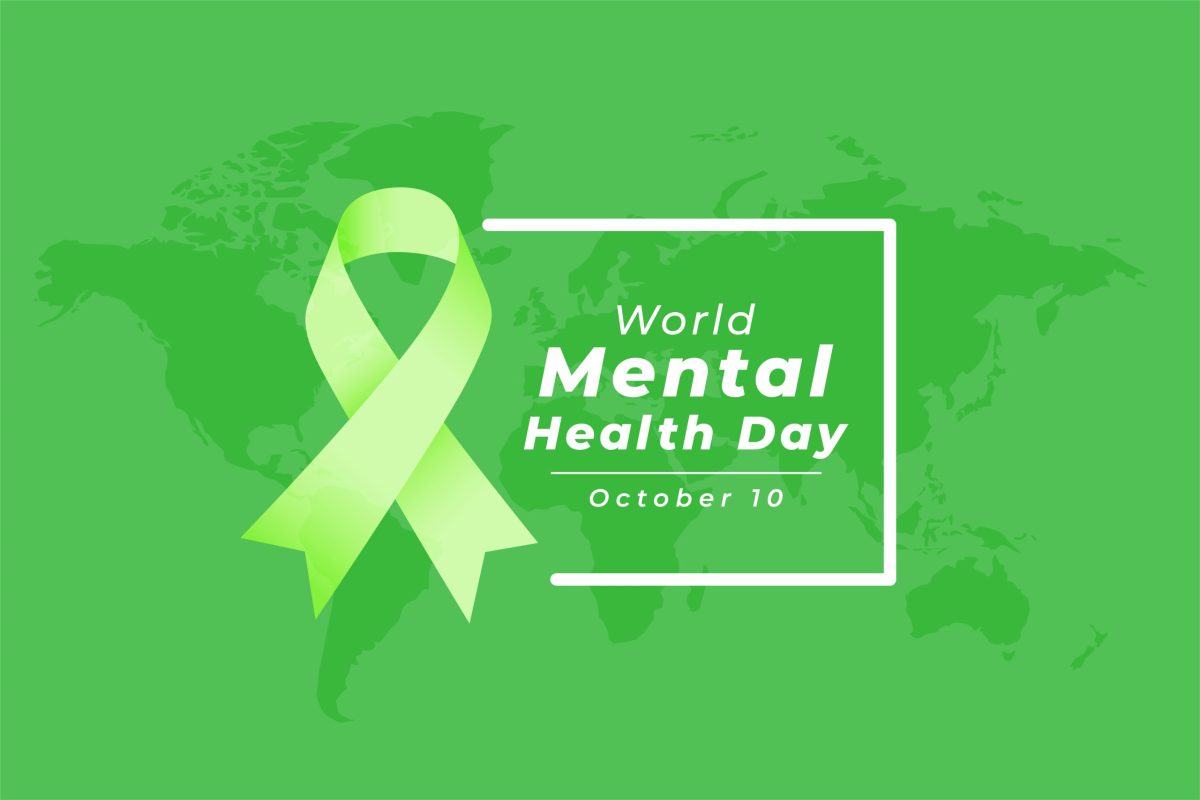
Each year on 10th October, the world comes together to recognise World Mental Health Day, a moment to focus on wellbeing, raise awareness, and call for change.
This year’s theme, “Access to Services: Mental health in humanitarian emergencies,” highlights how vital it is for everyone to have access to mental health support during times of crisis, whether global, local, or deeply personal.
From natural disasters and social upheaval to personal loss, sudden illness, or major life changes, mental health challenges can affect anyone, anywhere.
Yet too often, the support people need is out of reach just when they need it most.
The Mental Health Foundation is also shining a light on the growing sense of overwhelm many people feel in today’s world.
Constant news cycles, global uncertainty and personal pressures are taking a toll on mental wellbeing, making it more important than ever to ensure people know where to turn for help.
Crisis Can Be Global, or Deeply Personal
At HomeCareDirect (HCD), we understand that mental health struggles don’t always follow headlines.
While some crises make world news, others happen quietly, in homes, within families, or in the lives of the people we support.
A sudden hospital discharge, the loss of independence, or the stress of managing complex needs can all be personal emergencies that test emotional resilience. For carers, too, balancing responsibility, fatigue, and compassion can sometimes feel overwhelming.
That’s why we believe that accessible, understanding mental health support must be available to everyone, especially those who give and receive care.
How HCD Embeds Mental Wellbeing in Everyday Care
At HCD, we recognise that the wellbeing of the people we support is closely linked to the wellbeing of the carers and colleagues who support them.
That’s why mental health isn’t treated as a one-off topic; it’s built into our structure, training and everyday culture.
- Open Conversations and Safe Spaces
We encourage an open culture where colleagues can talk about mental health without fear or stigma.
Our teams are trained to recognise signs of stress and burnout, and to access support early.
We have a trained Mental Health First Aider but are looking to train more, given the importance of supporting our colleagues and wider working community.
Line managers are supported to have meaningful wellbeing conversations, not just performance ones. - Flexible, Empowering Work Structures
Because our carers work directly with clients in their own homes, they have the autonomy to build meaningful relationships and structure their work around the person’s needs.
This independence fosters trust, purpose and emotional satisfaction, key ingredients for positive mental health.
Mental Health Is Everyone’s Business
World Mental Health Day reminds us to pause and reflect, but the real difference comes from what we do the other 364 days of the year.
At HCD, we believe in empowering people, both those receiving care and those providing it, to live happier, more fulfilled lives.
By embedding wellbeing into our culture, providing ongoing training, and nurturing open conversations, we’re proud to say that mental health isn’t just a priority once a year; it’s part of who we are, every day, embedded in our culture.
Stay Informed
Subscribe to our newsletter for the latest news, health tips, and updates delivered to your inbox.
Related Articles

Good care connects people to the community through social prescribing, improving wellbeing for those with complex needs. Personalised support helps build belonging and a fuller life.

